

The Impact of AI and Robotics on the Future Workforce
Introduction
Artificial Intelligence (AI) and robotics are rapidly transforming the landscape of industries worldwide. As these technologies continue to evolve, it becomes increasingly crucial to understand their implications, particularly concerning automation and job displacement. With AI systems becoming smarter and robots more capable, the potential for both enhanced productivity and significant changes to the job market is immense. This blog will explore how AI and robotics influence the future workforce, the resulting concerns about job displacement, and what steps can be taken to adapt to these changes effectively.
Background
The journey of AI and robotics began over half a century ago, with pioneers imagining machines that could replicate human thought and action. Key milestones mark this development, from the inception of early computing systems to modern-day neural networks and autonomous robots. A notable milestone in this evolution is Amazon’s achievement of deploying its 1 millionth robot across various warehouses—significantly shaping the future of automation.
Automation technologies have gained ground particularly in logistics and supply chain management, streamlining operations and redefining how goods are delivered. Amazon’s recent deployment milestone exemplifies this shift, symbolizing how far technology has come.
As such, it is essential to analyze how these technological advancements impact industries and labor dynamics while keeping an eye on the broader societal implications associated with these transformations.
Current Trends in AI and Robotics
The integration of AI into robotic systems is becoming more pronounced, shaping many operational strategies in logistics, manufacturing, and even healthcare. A pertinent case study is Amazon’s new generative AI model, DeepFleet, designed to optimize the company’s robotic fleet’s operations. This system can enhance the efficiency of robot deliveries by up to 10%, showcasing the practical implications of AI advancements in automation.
Statistics reveal that a remarkable 75% of Amazon’s global deliveries are now assisted in some form by robots, hinting at a future where human involvement may be drastically reduced. This trend illustrates not only technological progress but also the urgency for workers to reconsider their roles in the workforce.
In light of these changes, industries are witnessing a shift toward systems that leverage both human ingenuity and automated productivity, indicating a collaborative future between humans and machines.
Insights on Job Displacement
The discussion surrounding job displacement is crucial as automation proliferates. A detailed analysis reveals that while automation can create new job categories, it often does so at the expense of others. Various industries, such as manufacturing and retail, are experiencing transformation where traditional roles become obsolete due to superior efficiency provided by AI and robots.
Public perception is mixed; while many view technology’s impact as a pathway to potential job losses, others see opportunities for innovation and job creation. Education and training in technological advancements are thus pivotal.
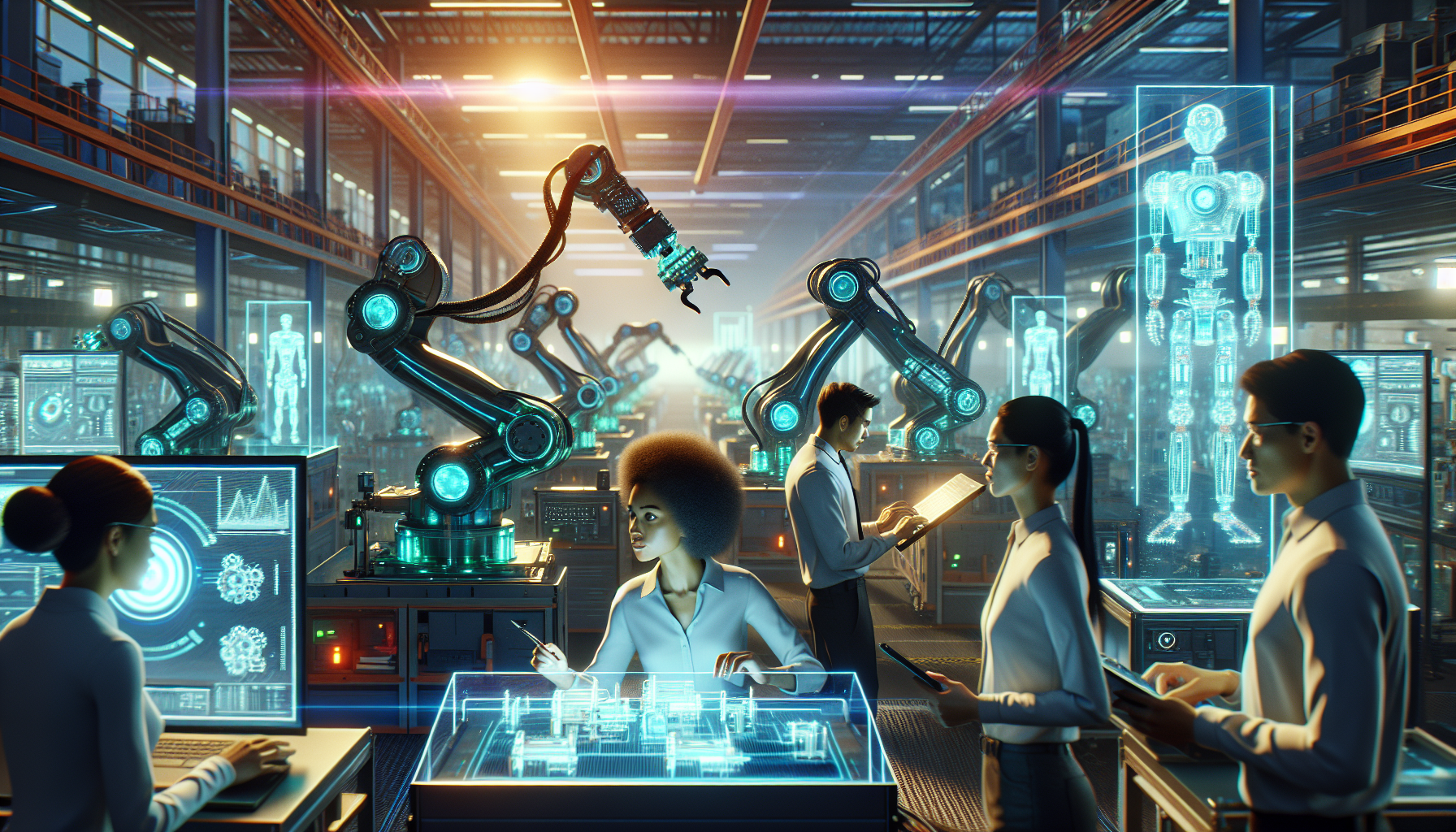
For example, in manufacturing, where robots perform repetitive tasks, workers can pivot to roles in programming, maintenance, and supervision of these machines. This shift is not unique to one industry; it’s forecasted that diverse sectors will experience similar labor dynamics.
Future Workforce Predictions
As we look to the future, the potential growth areas in AI and robotics are vast. Industries are expected to broaden, with the demand for skilled workers who can navigate and optimize technologies. The importance of upskilling and lifelong learning cannot be overstated; workers must adapt to an evolving landscape that favors tech-saviness over traditional skill sets.
Training programs that focus on software, robotics, and systems management could be key in equipping the future workforce to tackle increasingly complex challenges brought on by automation. The workforce that emerges from this technological wave will likely transform job tasks—not eliminate jobs altogether.
In conclusion, the future may not be one of mass unemployment, but rather, an evolution of professions that require a different set of skills than the ones predominantly valued today.
Call to Action
As the sphere of AI and robotics continues to expand, it is critical for individuals to stay informed and adapt to these changes actively. Educational resources that focus on technology and automation are essential for preparing the current and future workforce.
We encourage readers to explore more about these topics and participate in discussions about the future of work. Stay engaged by connecting with resources that provide deeper insights into AI’s implications and the ongoing transformation of the workforce.
For those interested in a deeper dive into automation, check out articles and resources like TechCrunch’s coverage of Amazon’s milestone with robotic deployment which discusses the implications of AI-driven logistics in detail.