


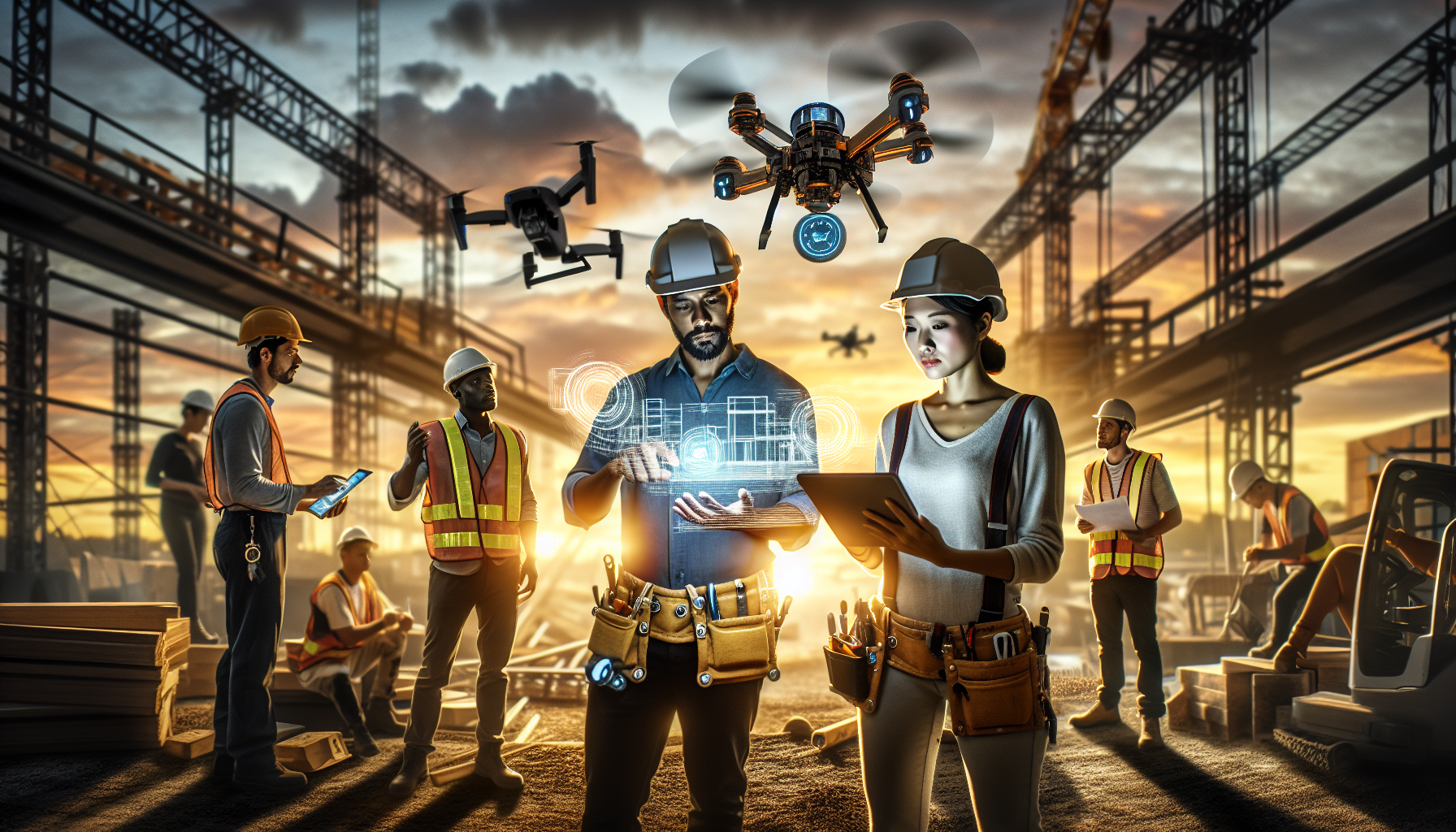
Enhancing Construction Safety with AI Technology
Introduction
Construction sites are among the most hazardous workplaces, with a significant number of accidents leading to injuries and fatalities. According to reports, more than 1,000 construction workers die on the job each year in the US, underscoring the relentless need for improved occupational safety measures. As the construction industry grapples with these stark realities, AI technology emerges as a beacon of hope. By leveraging AI construction safety tools, it is possible to mitigate risks and enhance overall worker safety levels.
—
Background
The construction sector consistently ranks as one of the most dangerous industries. Workers face a myriad of hazards, from falls and equipment incidents to electrocution and being struck by objects. In 2022 alone, approximately 20.4% of worker fatalities occurred in construction, according to OSHA statistics. Furthermore, countless injuries occur that do not result in death but still significantly impact workers’ lives and operations.
The proactive use of tools like Safety AI is essential in this context. Safety AI, developed by Philip Lorenzo, has reportedly achieved 95% accuracy in analyzing daily site conditions and flagging OSHA violations. Thus, the introduction of AI not only marks a technological advancement but also signifies a key turning point in addressing safety issues that have long plagued the industry.
—
The Rise of AI in Construction Safety
The construction industry is increasingly recognizing the potential of generative AI and other advanced safety tools in revolutionizing safety measures. As organizations seek innovative solutions to reduce risk, AI is paving the way for a comprehensive overhaul of traditional safety protocols.
– Generative AI can simulate construction scenarios, allowing project managers to identify potential hazards before a project commences. This proactive approach is akin to using a flight simulator to prepare pilots for various conditions before they take to the skies.
– Advanced machine learning algorithms can sift through vast amounts of data, spotting trends and areas of concern that might escape human analysts. This capability not only increases efficiency but also ensures that safety measures are consistently updated and refined.
As regulations evolve and technology continues to advance, integrating AI into construction safety is no longer optional—it’s essential for fostering a safer work environment.
—
Insights into AI Tools
AI tools such as Safety AI are not just reactive but also predicatively improve safety on construction sites. By analyzing a variety of data inputs, including weather conditions, equipment status, and worker behavior, these tools can identify hazards in real-time.
Key insights include:
– Analyzing Site Conditions: AI can assess factors like ground stability or electrical safety by using sophisticated algorithms that compare current conditions with historical data.
– Flagging OSHA Violations: With a 95% accuracy rate in spotting potential violations, Safety AI provides teams with actionable insights, allowing for immediate corrective actions.
– Enhancing Safety Protocols: By gathering data on possible safety breaches, AI tools can contribute to continuously evolving safety protocols that are aligned with real-world conditions.
This data-centric approach not only saves lives but can also lead to enhanced efficiency and reduced costs for companies prioritizing safety.
—
Future Forecast of AI in Construction Safety
As AI technologies continue to evolve, their impact on occupational safety will only deepen. We can expect to see:
– Advancements in Predictive Analytics: Future AI systems will likely employ even more advanced algorithms, predicting not just immediate hazards but long-term risks based on accumulated data.
– Increased Integration with IoT Devices: Wearable technologies, integrated with AI, may soon provide real-time feedback to workers, alerting them instantly to unsafe conditions.
– Broader Adoption of Generative AI: By simulating various construction scenarios, companies will be able to better plan for emergencies, training their staff against possible incidents before they occur.
As demonstrated, the potential of AI in enhancing construction safety is expansive and pivotal for the industry’s future.
—
Call to Action
With the alarming statistics surrounding occupational safety in construction, it’s crucial for stakeholders to take action. Organizations should invest in AI solutions and integrate them into their workplace safety strategies. To learn more about how AI can revolutionize construction safety, visit sources like Technology Review for insights into state-of-the-art safety tools.
By embracing these technologies, we can build a safer, more secure future for construction workers everywhere.